‘Born Brokenhearted,’ A Transracial Adoptee Finds Hip-Hop and Healing
Erik Mohn learned the hard way that his Black American experience was just as authentic as everyone else’s.

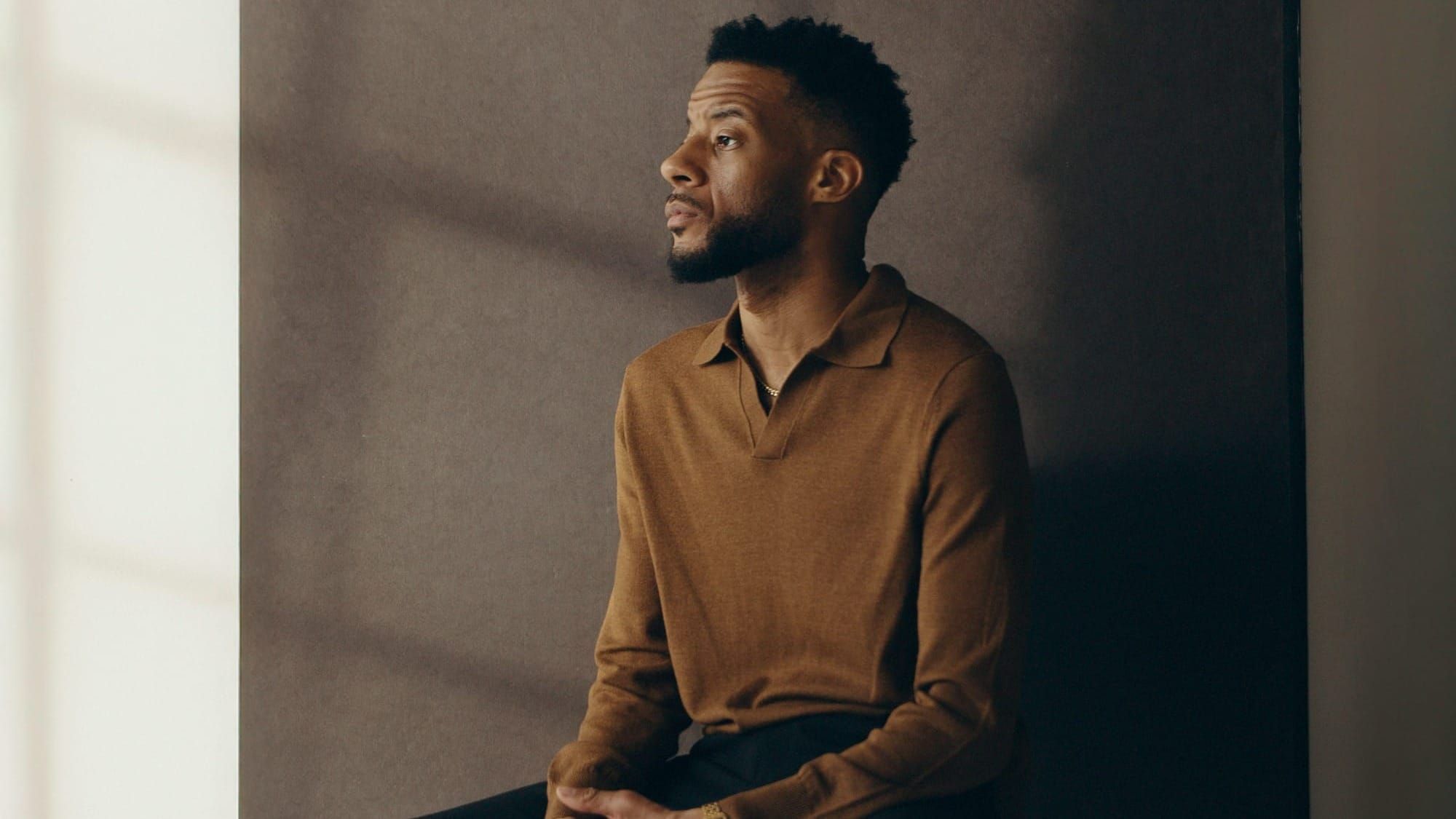
The first in a new series, "Stories From Black America" examines the Black experience through the lens of discovery and identity, beginning with Erik Mohn, a Black transracial adoptee who grew up in a largely white world but always knew he was "different." As soon as he could, he sought out his people and culture to make himself whole. This is his story.
Author and public speaker Erik Mohn’s memoir, Stranger in My Own Story, is like The Truman Show, if the big reveal is that you’re Black in America with white parents.
The latest book to examine the transracial adoptee experience, Mohn’s story is a little different from others. Namely, Mohn—like Jim Carrey’s Truman in The Truman Show—questioned his existence from the moment he noticed something was off, acutely aware that society was gaslighting him.
He was just waiting on the confirmation.
“In the adoptee community, there's a term, 'Coming out of the fog,’” Mohn told THE BLACK SNOB. “For a good portion of your life, you tell yourself, I was meant to be adopted; I love my parents; I'm going to suppress these emotions. Then at some point, whether you're 13, 16, 25, or in your 30s, you have a wake-up call.
"I don't think I ever experienced that, because from the moment I could see and think for myself, I was asking, ‘What's going on here? I don't look like my parents.’”
Mohn’s book opens with him in kindergarten meeting another Black boy for the very first time and being so riveted by his similar curly hair and brown skin that he becomes convinced they must be brothers.
But he quickly learns they're not. And that he, a Black adopted child of white parents living in a mostly white community in Harvard, Mass., is alone.
“For as long as I can remember, I thought this was some weird experiment,” he said. “You don't have your birth story. Your friends know the moment their mothers went into labor. I don't know what time I was born, and that comes up at doctor's appointments, when you're asked about family history. At every age, I felt like a stranger in my own story.
“You absorb the looks and stares in public. You're the only Black kid in the room, and you don't look like your parents. It might last a millisecond, but you can feel people questioning your existence,” he said.
Because of this, Mohn describes himself as being “born brokenhearted.”
“The day I was born, my mother placed me for adoption, and the first lesson I learned about love was that those who love you will leave,” he said. “If my mother left me, anyone can… So I built my armor early and kept people at arm's length.”
But Mohn didn’t stay that way.
Well-meaning white people
Mohn loves the parents who raised him. They gave him a good life. They were politically liberal and well-meaning. But that wasn’t enough to make up for his loss of community and the experience of racism.
His father once told him how he “didn’t see color,” a common saying among some white people who often have good intentions, but don’t grasp that saying you don’t see color means you don’t see the inequities in our society that are based on the color line.
At the time, his father’s words upset him.
“It felt like gaslighting,” Mohn said. “I'm the only Black kid in town, so I'm very easy to see.”
Mohn said there are two parts to this that his father, and others like him, didn’t understand—one is woefully “naive” and the other is simply improbable.
“How can you possibly not see me, literally?” Mohn said. “(Saying ‘I don’t see color’) also meant he didn't see the struggle or the loneliness I was going through. The assumption was that you could adopt a Black child and raise him essentially like a white person, without preparing him for the reality of walking through this world as a Black man in America.
“Love is not enough,” Mohn continued. “Loving an adopted child, especially a child of color, requires you to reflect on your own biases and your relationship to Blackness, and to prepare that child for the world. Some people might genuinely not see color, but they need to understand that most of the world does, and that the consequences can be a matter of life and death.”
Because of this, Mohn encourages white parents who choose to adopt Black children not to raise them in isolation from their culture.
“Part of loving your child is nurturing their Black culture,” he said. “It's one and the same. If you're going to adopt a Black child, Black people and Black culture shouldn't be a foreign concept to you.
“Even if no one was overtly racist, the message I received was that Blackness isn't important here, because there were no Black people around. If I don't see myself in my family, my peers, my teachers, or my community, and Black people don't exist in the conversation, then on top of being adopted, where is my self-worth being nurtured?”
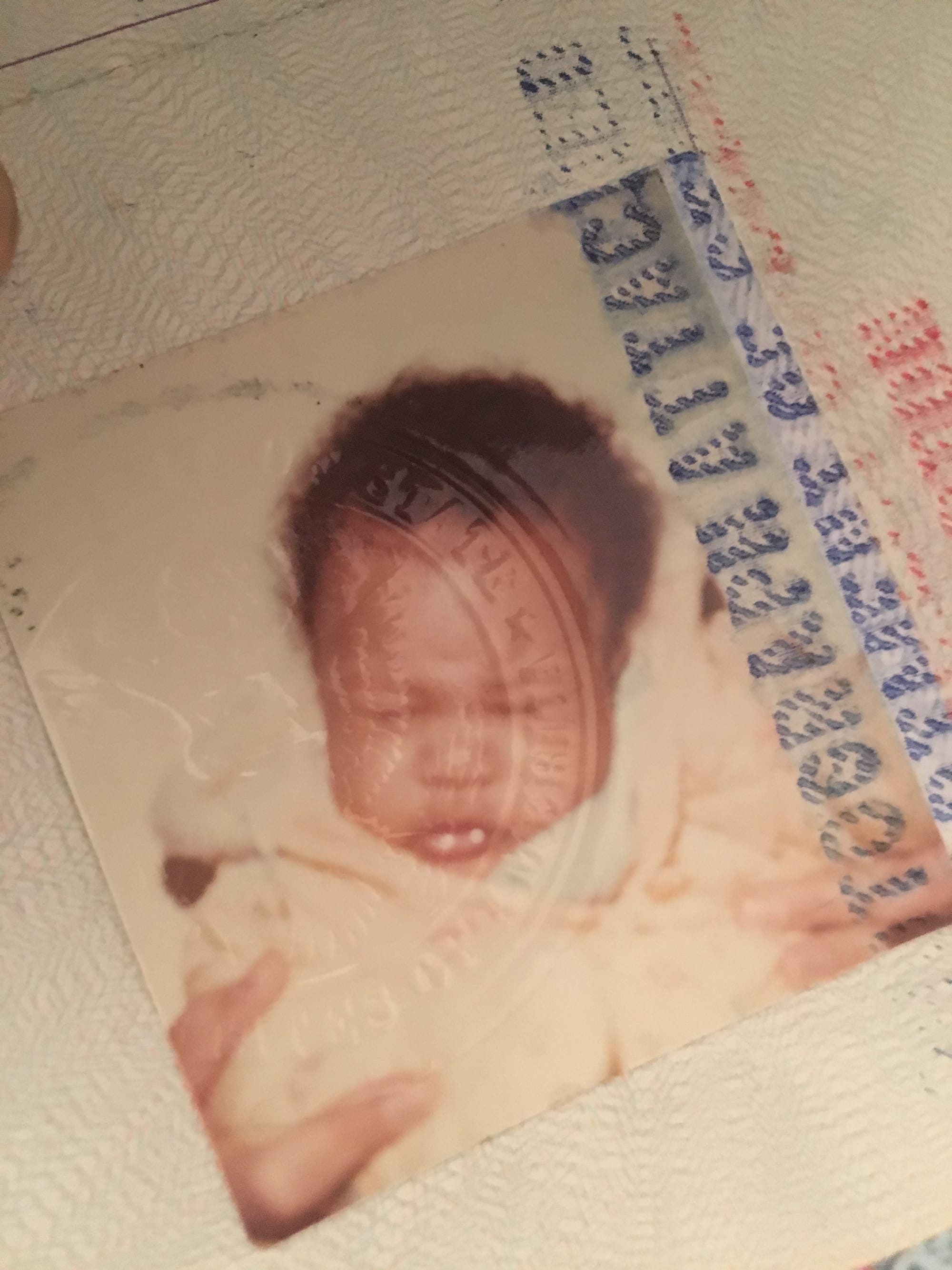
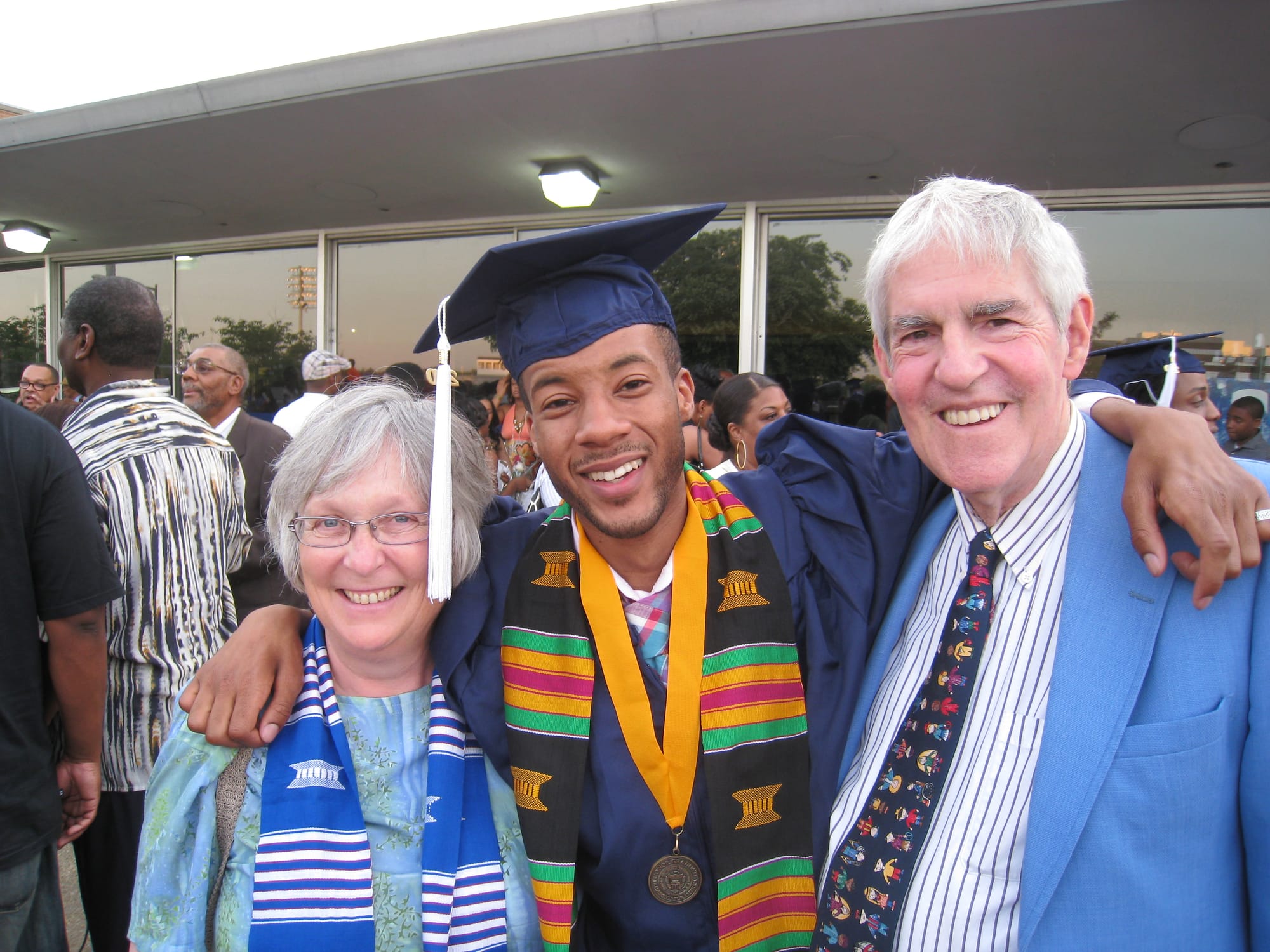
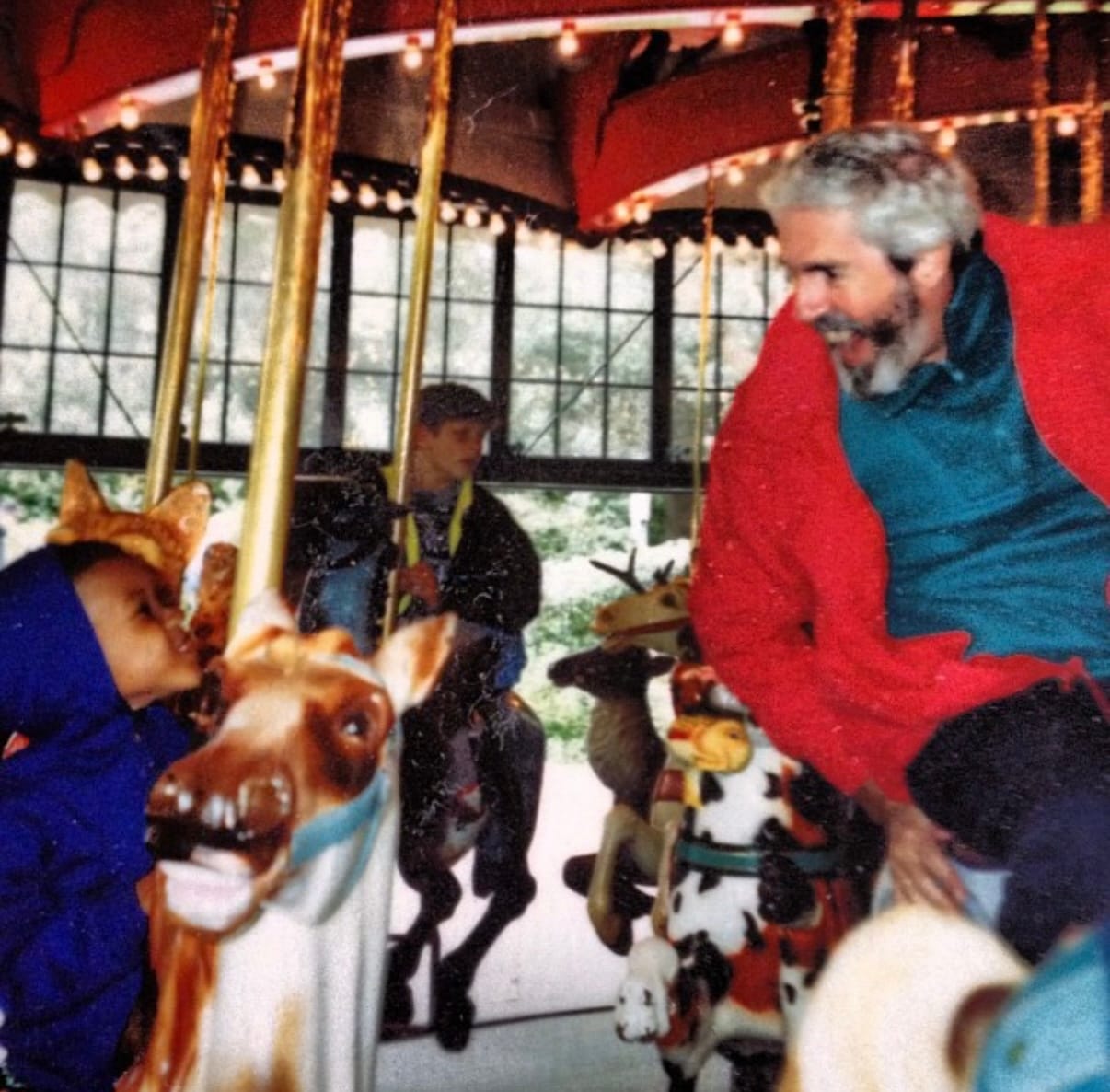
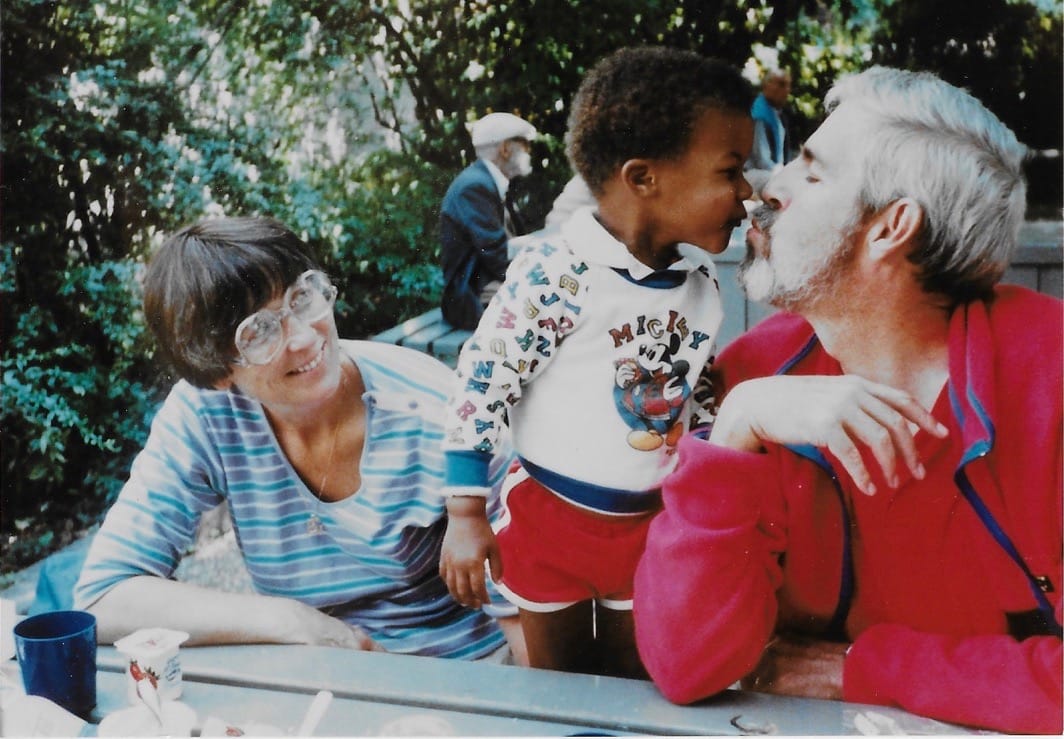
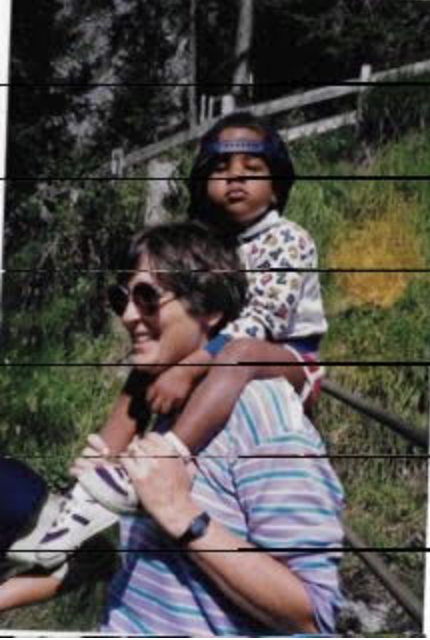
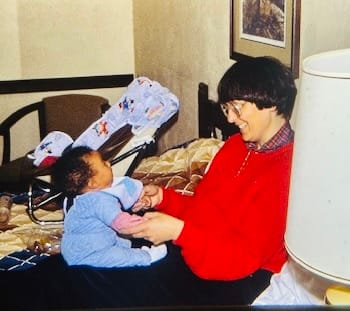
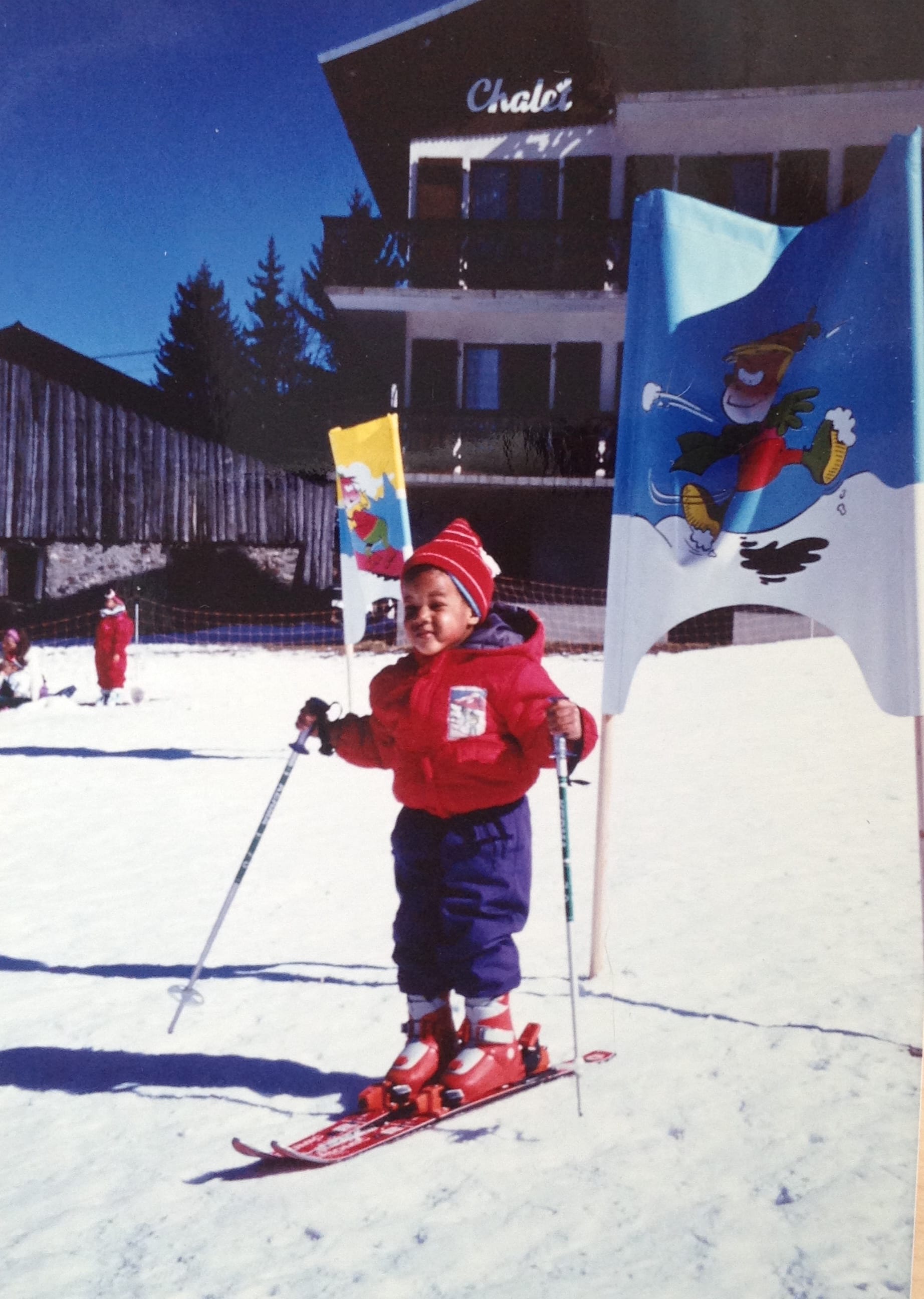
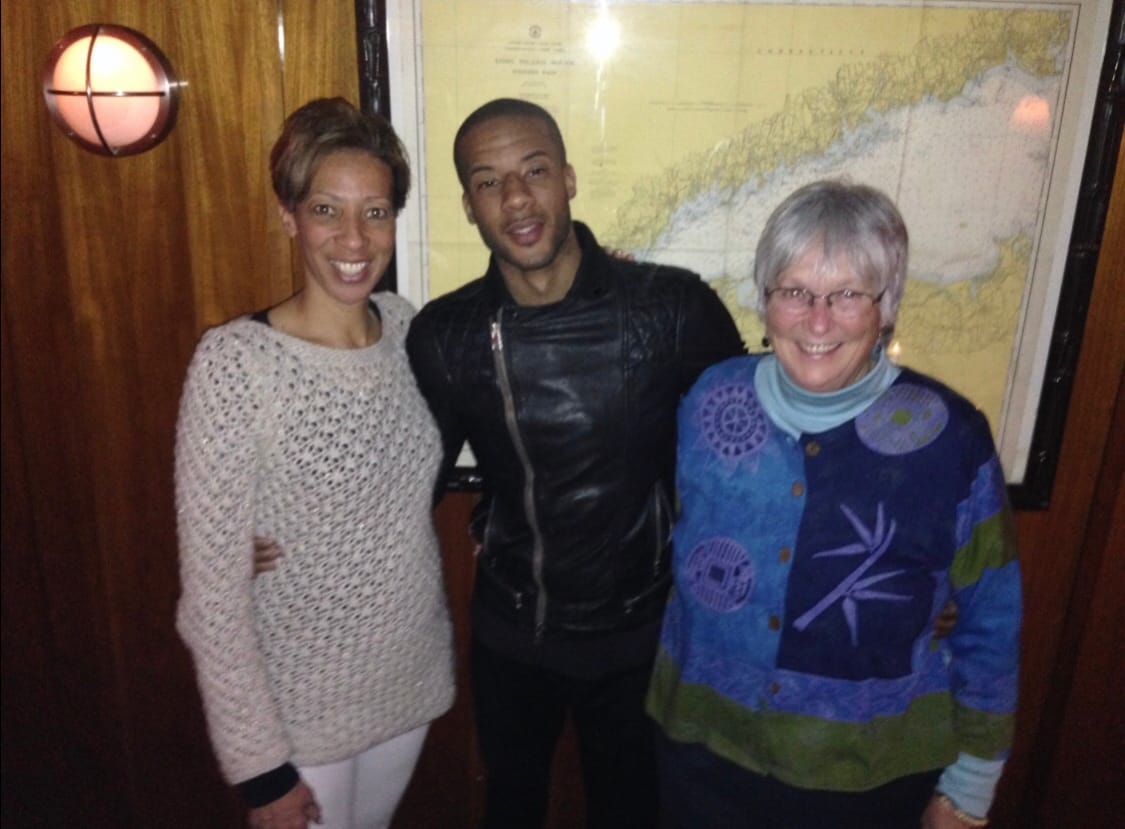
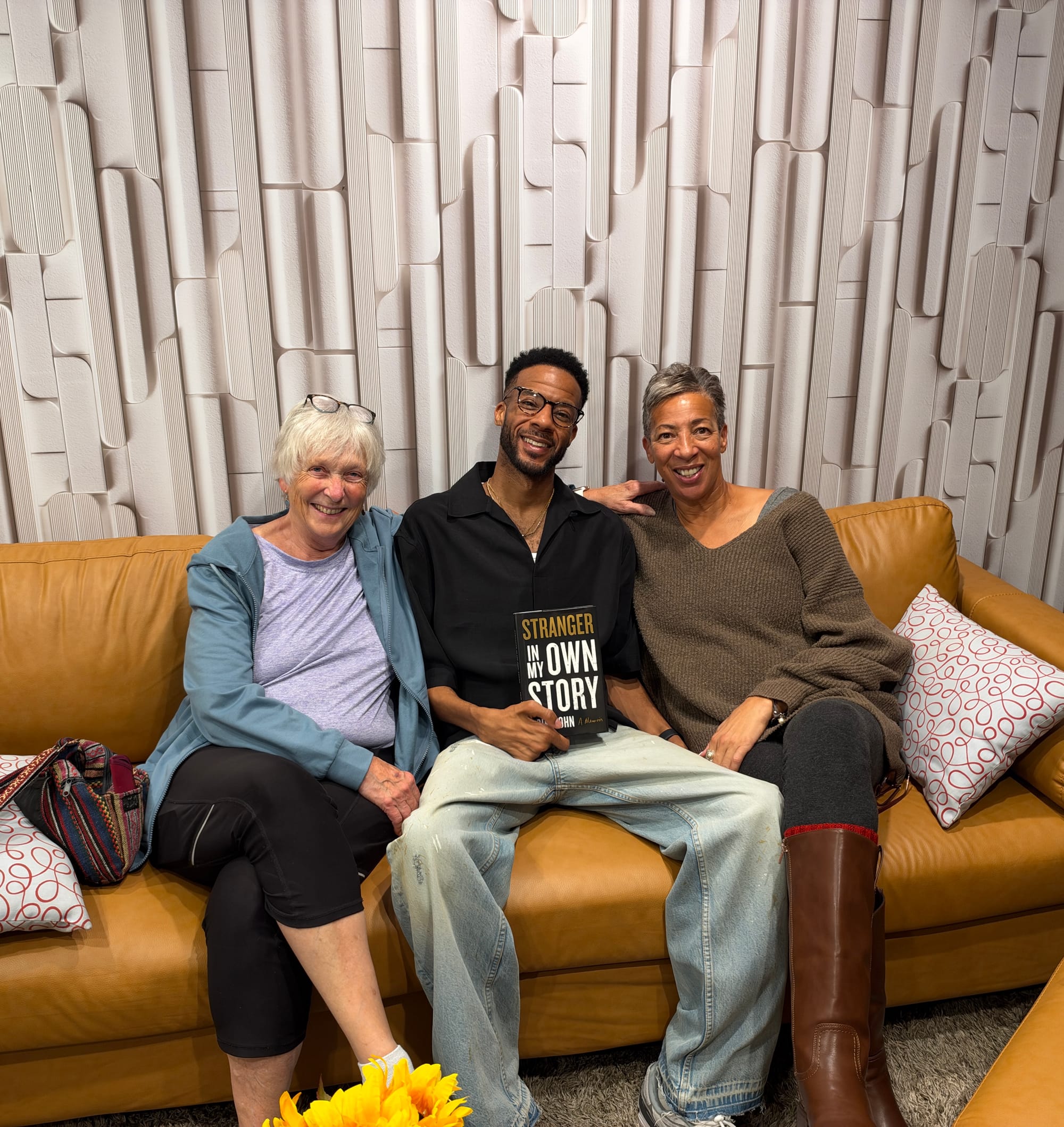
Family photos of Mohn with his parents and his birth mother. (Photos courtesy of ERIK MOHN)
From ‘HU Man’ to human
As a teen, Mohn found Black culture on his own through music, fashion, and sports. But because his Black lens was filtered through mainstream media, it was often skewed.
The messages he got about Blackness came from hip-hop, fueled by stories of struggle and poverty, and were aggressively male-centered. Because of this, when he attended Howard University, one of the quintessential historically Black colleges, for undergrad, Mohn felt insecure in his identity and tried to hide this family history.
Mohn had no family photos in his dorm room and kept his past a secret.
He became “a chameleon.”
“I'd hang out with the Philly kids and try to act like I was from Philly, then do the same around kids from New York, the Bay, Houston, Atlanta,” he said. “It was all Black, but there are different pockets of Black culture, and I was hopping from one to the next. I could integrate, but I lost myself and got very disoriented.”
Mohn became afraid that his Blackness would be tested. That his experience, somehow, was not authentic.
“I made up this ideal in my head,” he said. “It felt like one day a board of Black people would come down and declare I wasn't Black enough, and I'd be exiled and have to go back to white spaces. It sounds insane, but that's what it felt like.”
Everything changed when a friend came to his dorm room and simply asked, "Are you adopted by white people?"
“I was terrified I'd been found out, but then he shared his own experience of going to private school, and suddenly we could have an honest conversation,” Mohn said. “That's when I realized I'd be accepted for who I am. I needed to take off the veil and stop acting like someone I wasn't.”
Howard was instrumental in busting the mainstream mythologies that had shaped Mohn to that point, the mythologies that said Black people were a monolith.
“As ignorant as it sounds now, I genuinely believed going in that you could be a revolutionary, a rapper, or an athlete,” he said. “I'd been using the media to build my Black identity, and the media shows the extremes. Then I met kids majoring in psychology, biology, architecture, and engineering. It brought Black people down to earth for me and grounded me in Black being normal.”
It was an easy and welcoming thing to accept, especially since Mohn's parents never said anything negative about Black people or the Black experience. Because of this, at Howard, Mohn said he was able to absorb Black culture "purely," devoid of the trauma that often exists in Black culture.
For example, he knew nothing of colorism, and to this day, he still can't make sense of it.
"I didn’t see different shades of Black," he said. "I thought it was all beautiful. You’re just Black. You’re beautiful to me because we’re one and the same."
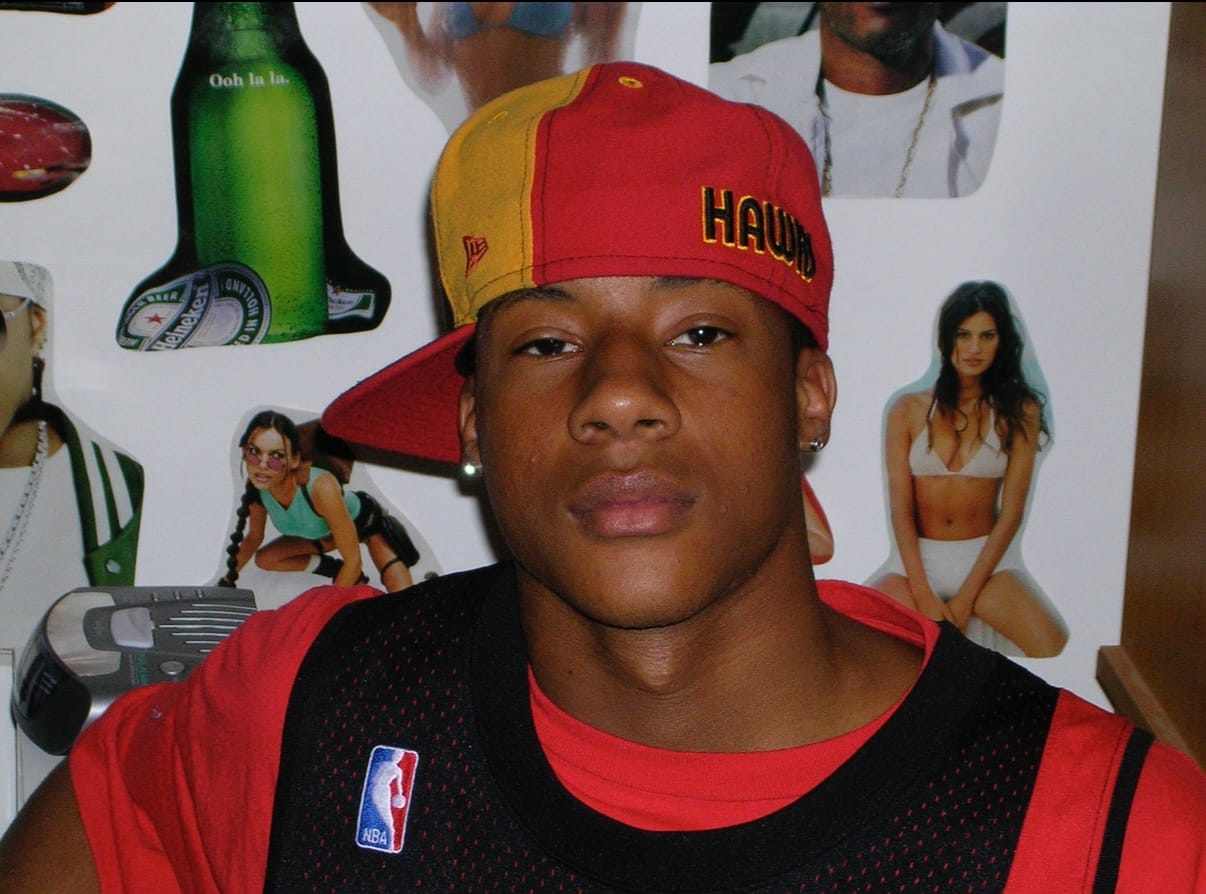
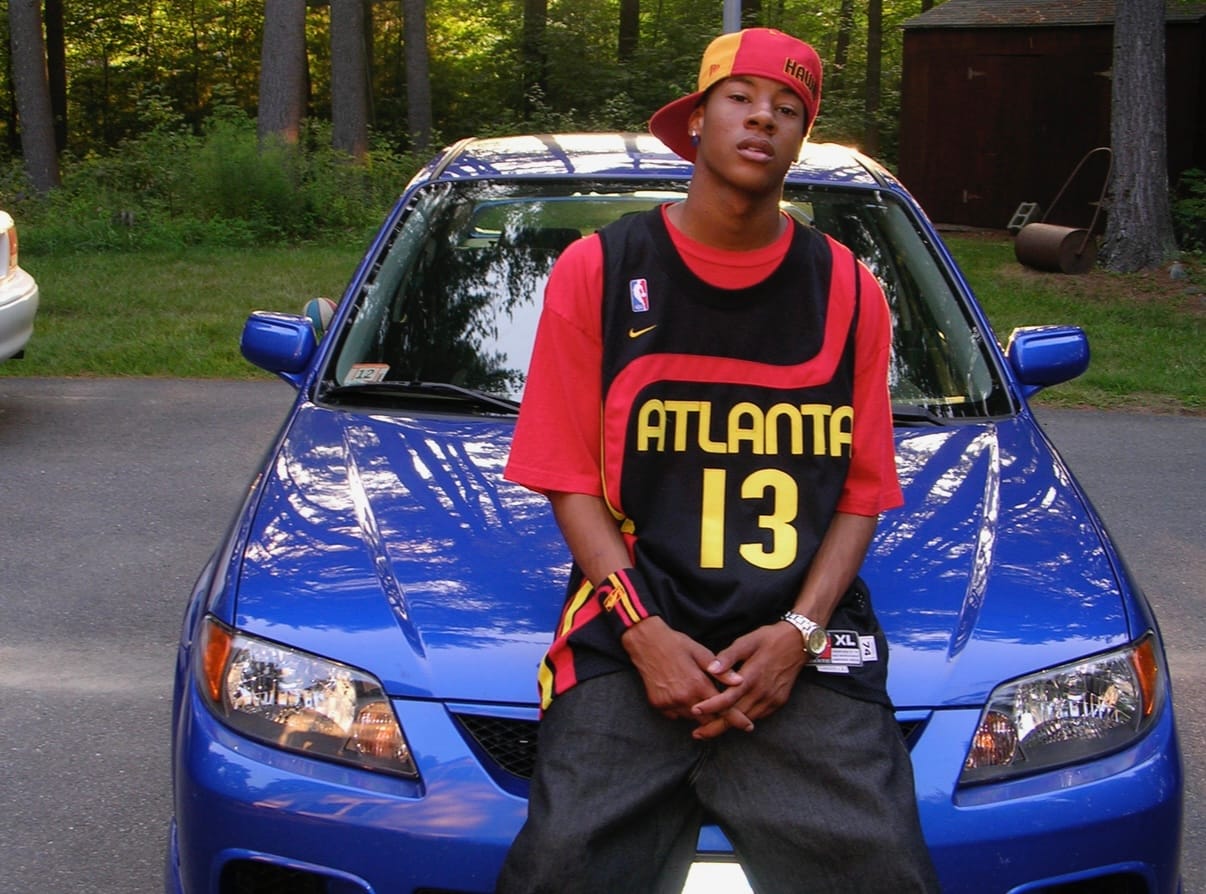
Photos courtesy of ERIK MOHN
Raised by hip-hop
But unpacking the misogyny in hip-hop and how its hypermasculinity affected him was a bit harder. Throughout his book, Mohn references hip-hop and its influence on him from a young age.
“The suburbs are boring, and listening to rap for the first time was like watching a thriller or The Sopranos or Scarface,” he said. “The stories about street beefs, sex, betrayal, and robbery, over soulful beats and beautiful samples, were seductive. And rap is poetry, so it all sounded incredible.”
Mohn discovered hip-hop just as he was entering adolescence. His father, who had fallen ill, was “sick, old and white,” and for those three reasons, he couldn’t lean on him.
His new “father,” his guide to Black manhood, was rap music.
“Rappers were the first Black men I could listen to whenever I wanted,” Mohn said. “There's real wisdom in that music about money, ambition, family, religion, and how to navigate life. Reasonable Doubt was a pivotal album for me.”
But there was a cost.
Mohn struggled with infidelity in his relationships, as well as opening up to others.
“The downside is that I started measuring masculinity by money, by the number of women you could sleep with, and by toughness and emotional suppression,” he said. “It took me a while to say, okay, this is what I can take from rap, and this is where it's unhealthy for my relationships.”
Through hip-hop, Mohn believed that to be a Black man, “I had to be promiscuous, collecting women like objects, and never letting anyone into my heart.”
A “tug-of-war” then broke out between Mohn, the adoptee who desperately wanted to be loved, and Mohn, the Black man shaped by hip-hop’s hypermasculinity, who feared love.
“Eventually you realize it's empty, and that you're hurting people,” Mohn said. “As an adoptee, I care about children, and I came to see that if you hurt a woman, it affects her next relationship and maybe her relationship with her child. That ripples out to the Black family and community. I needed to strip off the armor and be more vulnerable, and the book is part of that.”
Mohn believes that much of men’s promiscuity is rooted in insecurity. He said many do not feel “intrinsic value,” so they seek it through acquiring things like: “money, cars, countries visited, women.”
“Add mother wounds or father wounds, and it's a void they don't know how to fill,” Mohn said. “The root of my pain was always fairly obvious to me, so I just kept digging until I could resolve it.”
The resolution took years.
“I asked myself what I actually want in life, and the answer was a family,” Mohn said. “As an adoptee, I've always dreamed of having one, and I've always said that for adoptees, this journey is forced healing. If I want to be a good husband and father and not pass trauma to my wife, my kids, and my community, it starts with me. That was my North star, even while I engaged in bad behavior probably way past its expiration date.”
Mohn’s journey to self
Today, Mohn enjoys a life that is “very Black” but also “very white.”
“I've integrated both,” he said. “I can move between an all-Black room and an all-white room and my brain doesn't switch.”
And he attributes his 16-year journey of working on this book to helping him make that connection.
The memoir started as a diary of childhood memories, then, after the pandemic, it began to take shape. From there, when he was around 32, the book took about six years to complete. Mohn said crafting it was “therapeutic,” as it helped him see his parents in a new light.
“To be sick, to want to be a good father and a good man, and to keep missing your kid. We both wanted that relationship, and we only turned a corner the year he passed,” Mohn said.
What helped him finish the book was completing his own healing journey by fully immersing himself in Black culture. Mohn went to an HBCU, visited Alabama on a “Civil Rights journey,” went to Ghana, and eventually found and developed a loving, healthy relationship with his biological mother.
“Not many adoptees get to meet their biological parents and form a real relationship,” said Mohn while he was visiting Rhode Island with his family as part of the book tour.
“My mothers are in the other room right now, and they're genuinely friends. I took my birth mother to my childhood home and my high school, and we've been to her childhood home and the maternity ward where I was born.
"I wrote from a place of true reunion.”
"Stories From Black America" examines the Black experience through the lens of discovery and identity. Do you have a story to tell? Contact THE BLACK SNOB. Also, learn more about Mohn in his memoir, "Stranger In My Own Story," on sale now.