'Strange Fruit' In Mississippi, The Black Snob Pod, and Celebs Who Blocked Me: Real Housewives Edition
In this week's Snips & Snobs, we take a peek into Black Mississippi's history of radical resilience; talk about my new video podcast, THE BLACK SNOB POD; and ask Nene Leakes to please unblock me!

Editor's Note: If you're seeing this newsletter for the first time since never and wondering why you received it, The Black Snob is back, and you were an original subscriber on one of my other platforms! Learn more about my return to blogging here.
We live in increasingly weird and dangerous times, but as Black people, when have we not in this country? What has our journey in the Americas been but one messed-up, treacherous odyssey with dollops of hope and joy sprinkled amongst the pain?
We made a way out of no way, indeed. But that was a lot of "no way."
'Strange Fruit' in Mississippi
When I think about how far we've come and yet how much further we need to go, I often think of Freedom Summer and the state of Mississippi.
Mississippi has been in the news of late for all the worst reasons — namely the suspicious deaths of teen Nolan Wells over Fourth of July weekend and more recently, Tasia Fortune, who was found hanging from a tree.
Stark Raving Madison wrote this about the deaths and the silence from the larger white community surrounding them:
In Mississippi, when a young Black man vanishes on an island with white peers or a young Black woman is found suspended from an oak tree behind an abandoned house, the burden of proof is immediately inverted. The victim’s family is forced to raise tens of thousands of dollars, hire outside pathologists, and scream into the digital void just to force the state to do basic police work. Meanwhile, local officials treat public suspicion not as a reasonable reaction to a hundred-year history of racial terror, but as an inconvenience to be managed.
(Full disclosure: Stark Raving Madison is such a great writer, guys. And I swear I'm not just saying that because he's my boyfriend. He's the executive editor of The Amsterdam News and my heart. But I digress ...)
As I read Madison's story, I was taken back to 12 years ago when I was working for racial justice nonprofit Advancement Project as a senior digital media strategist. I was part of its comms team, working alongside my friend Cynthia Gordy Giwa, and in 2014, we traveled to Jackson, MS, and to the campus of Tougaloo College to commemorate the 50th anniversary of Freedom Summer.
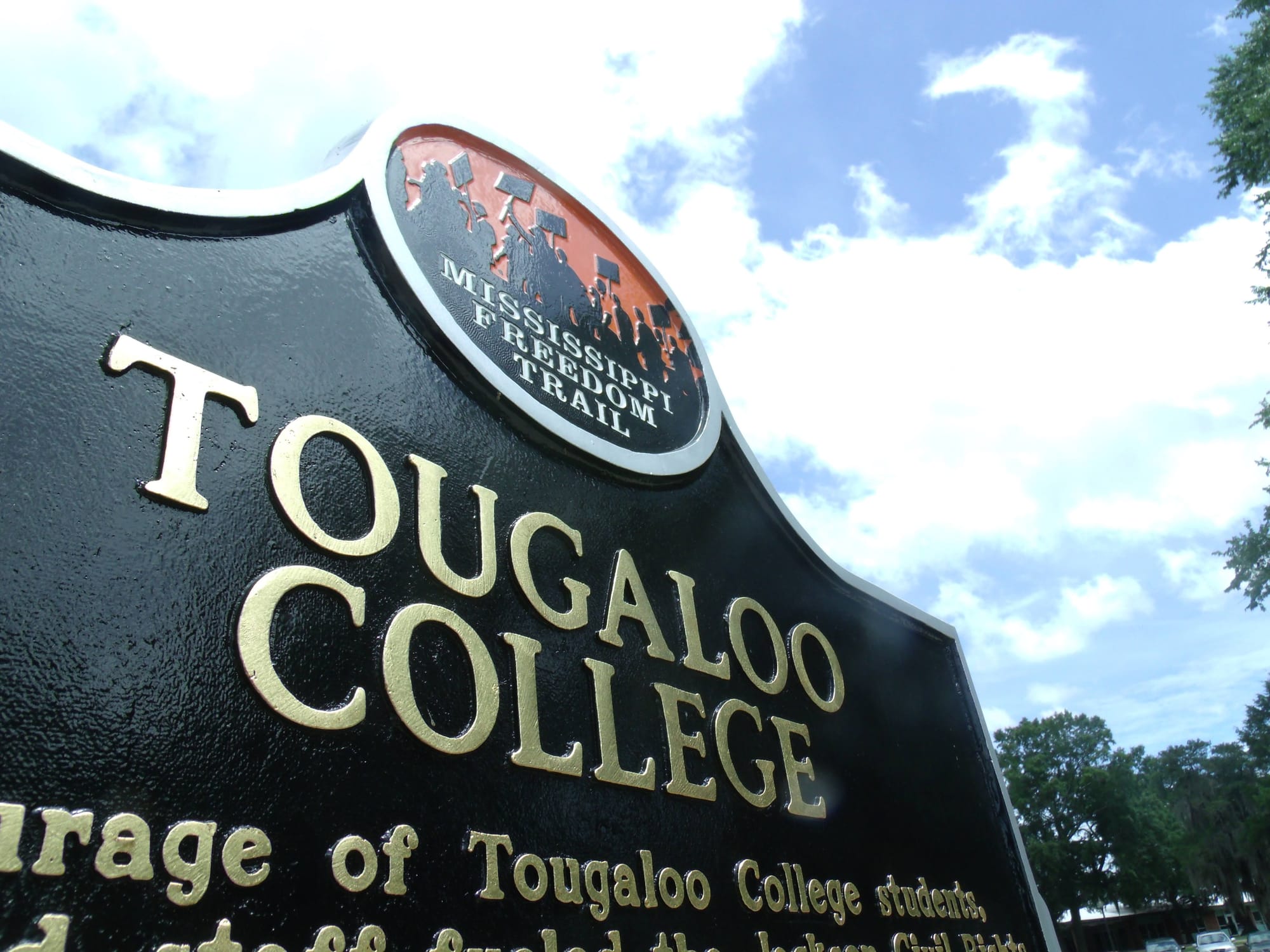
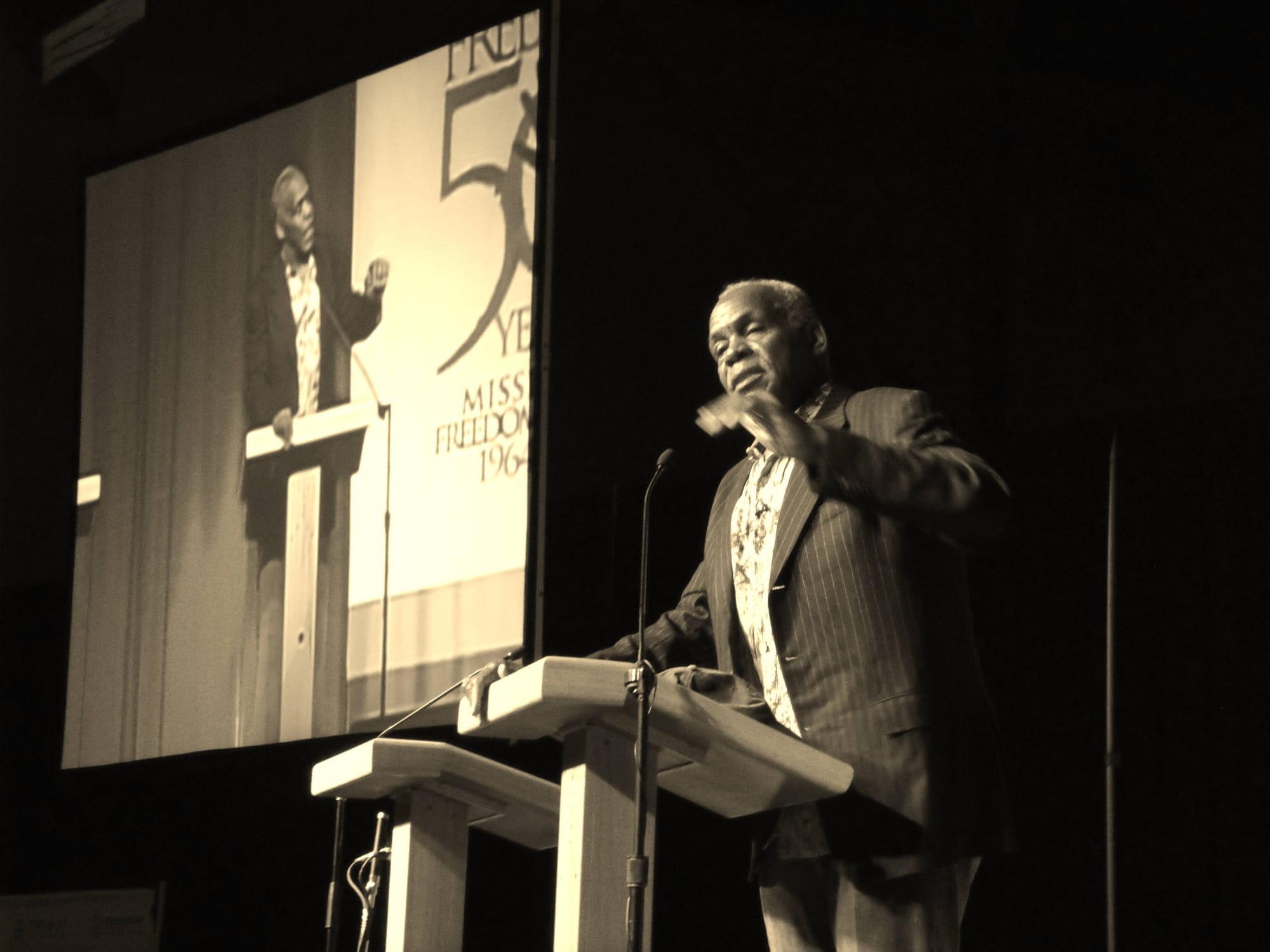
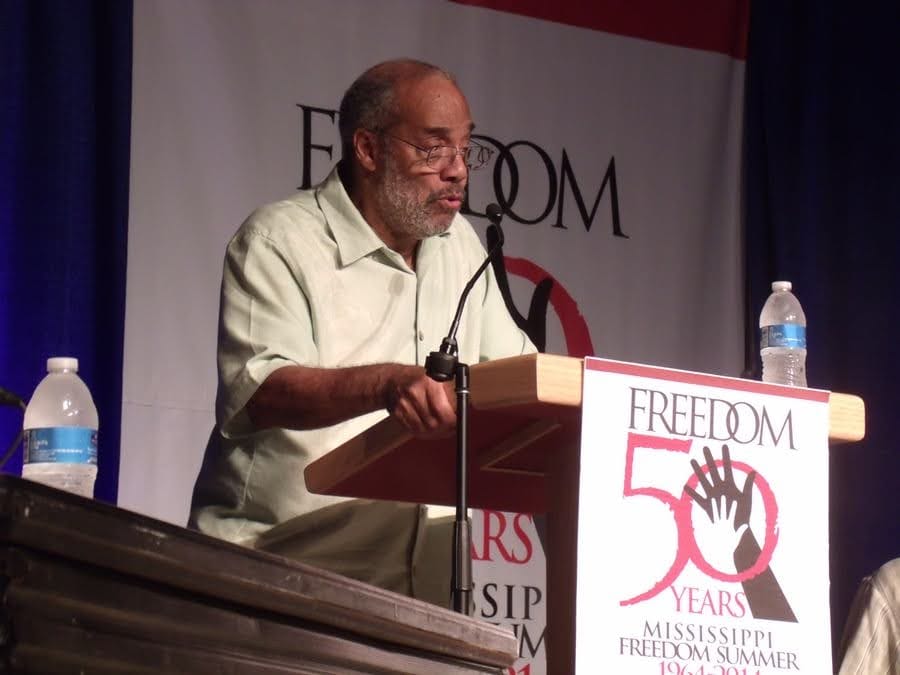
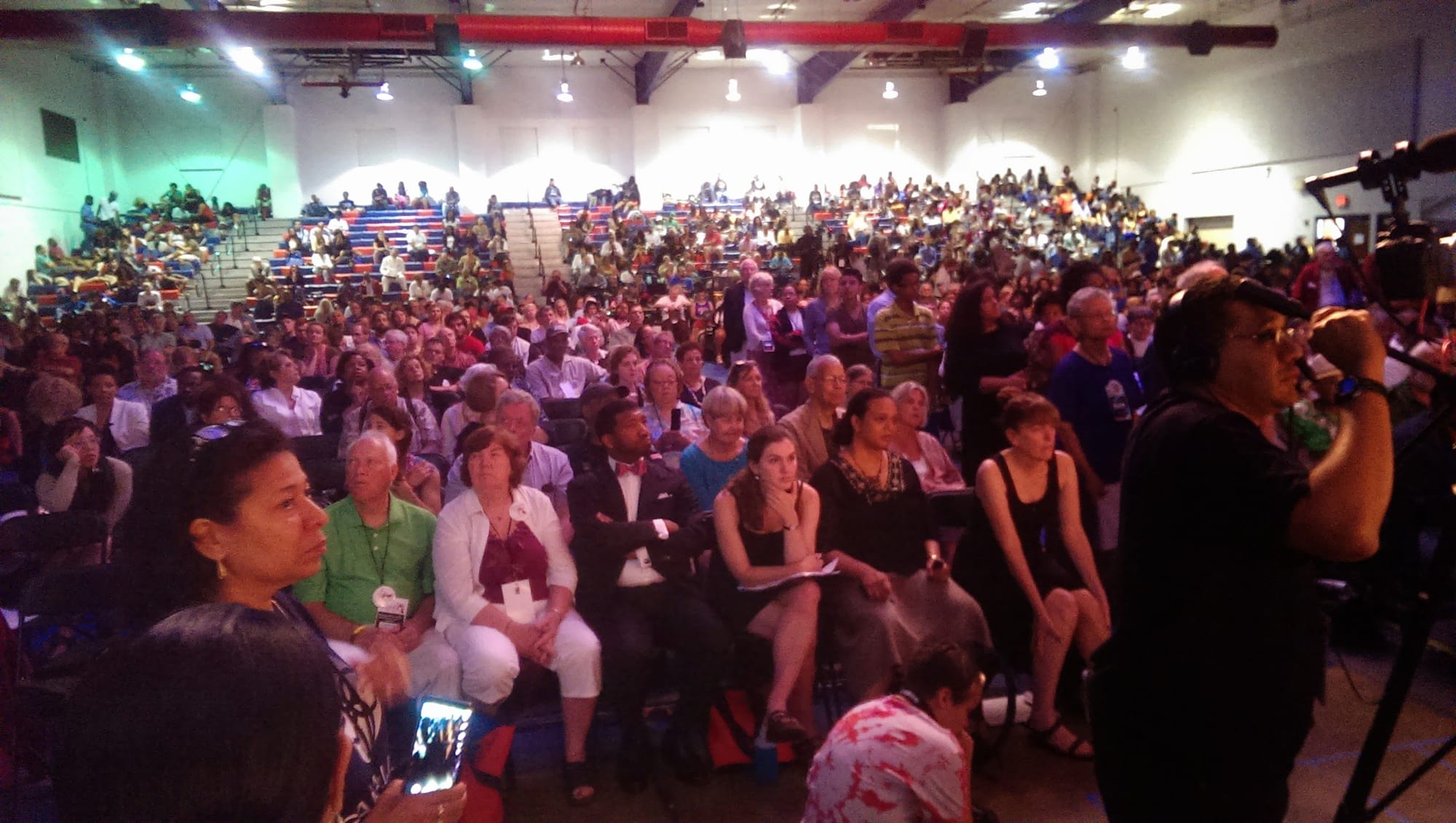
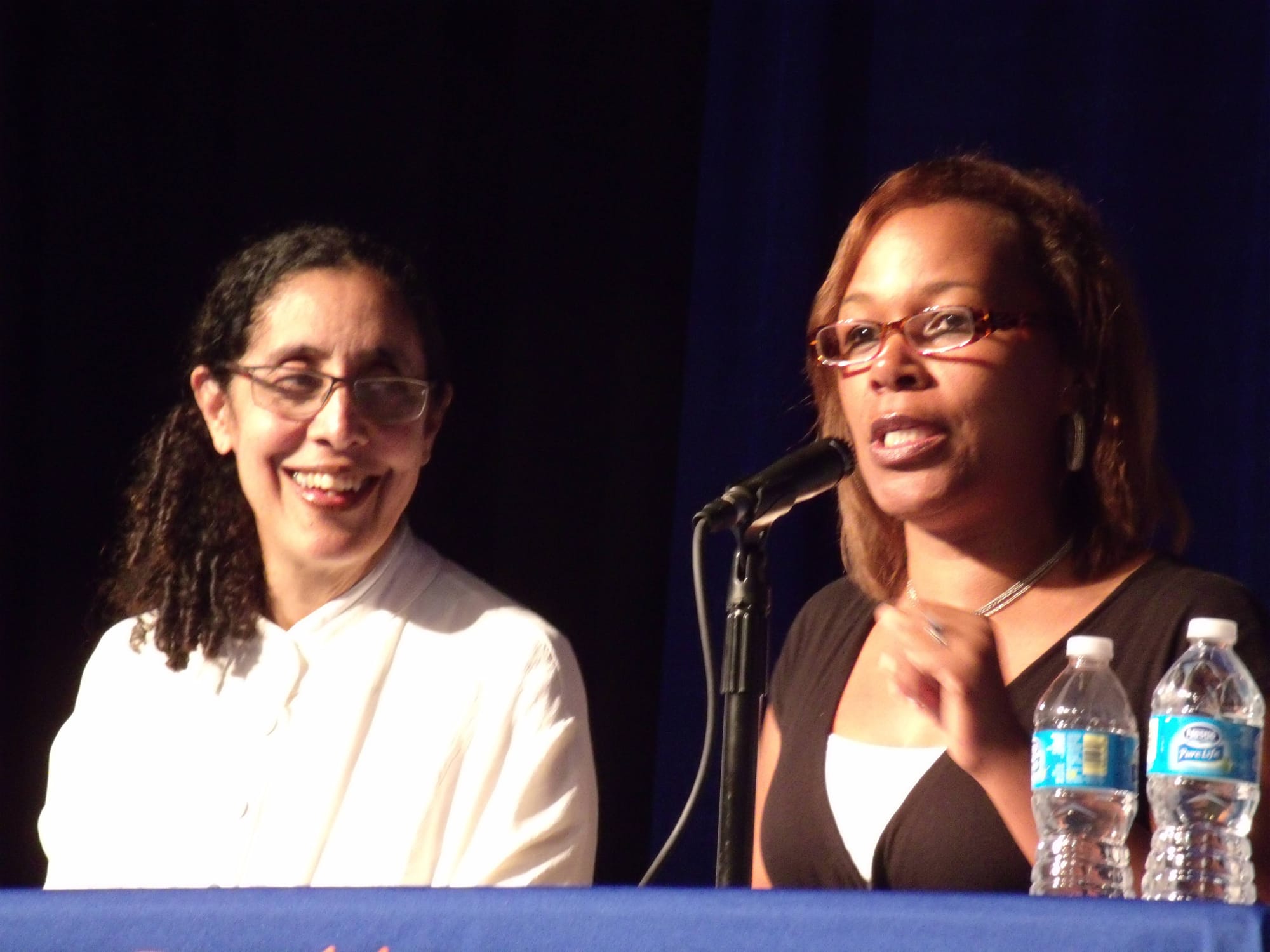
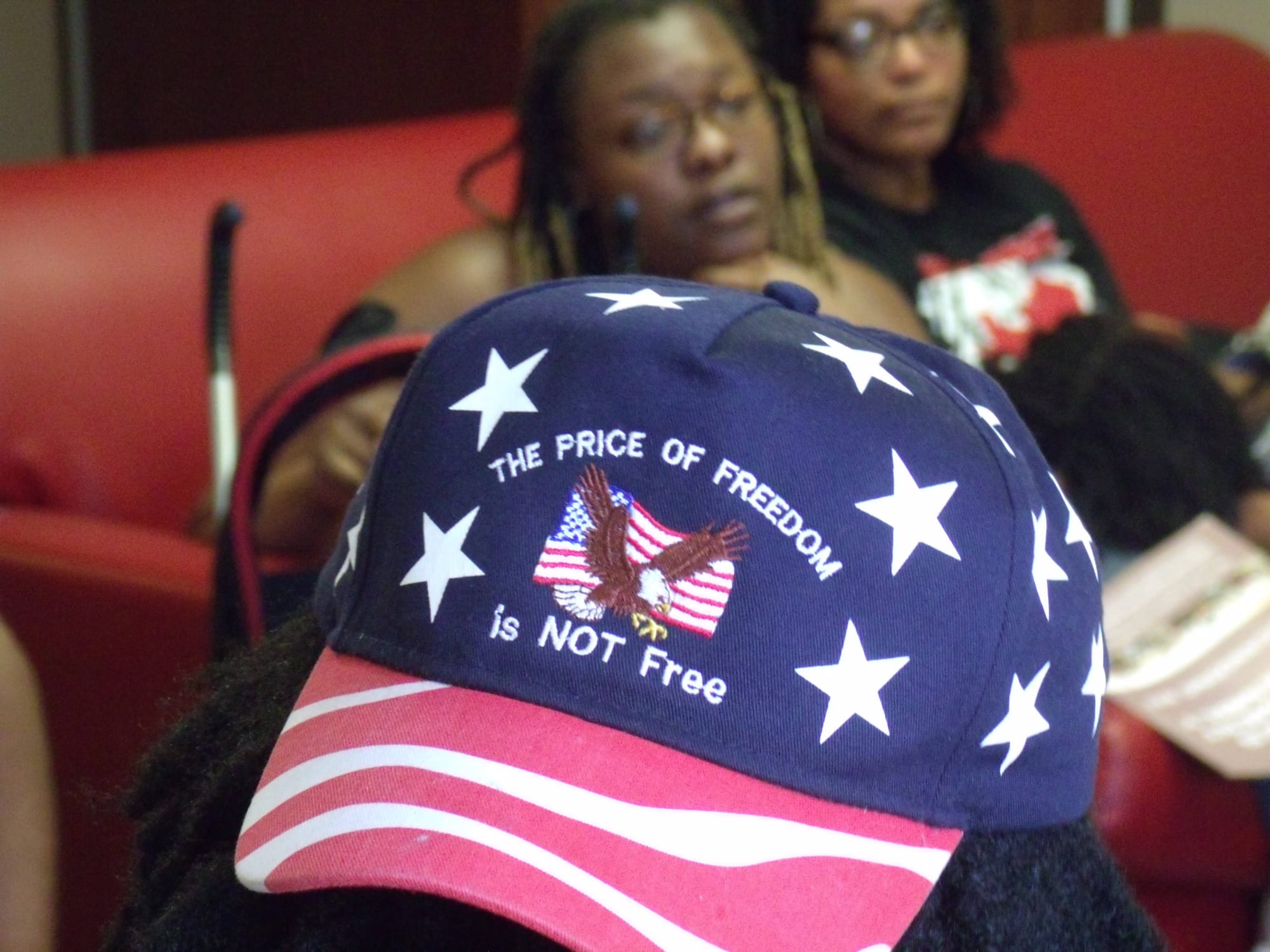
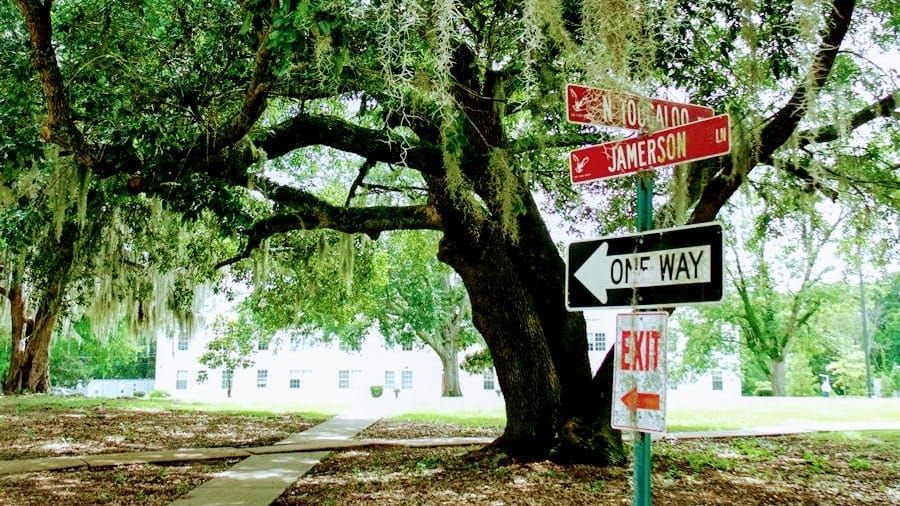
Photos I took while in Mississippi to commemorate Freedom Summer for the Advancement Project. (BELTON / JUN 2014)
In 1964, young people from different backgrounds traveled to Mississippi to help register its Black residents to vote. The work was dangerous, and at different turns deadly, with the most famous case being the murders of Civil Rights workers James Chaney, Andrew Goodman, and Michael "Mickey" Schwerner by the Ku Klux Klan.
While the young activists, many of them college students, had taken a vow of nonviolence, those native to Mississippi were acutely aware of the danger they faced and were armed, as gun ownership has never been uncommon among Black Southerners.
[Out] in the rural, when Mrs. Laura McGhee—who if she thought it necessary, sat on the porch with her Winchester rifle—permitted movement workers to use her farm outside Greenwood for a rally, the sheriff came to warn her against holding it. She told him that *he* was on *her* property, that *he* was trespassing and hadn't ever offered any protection from the terrorists who kept threatening to shoot up her farms, and that he therefore had nothing to offer her now and had better leave, get off her land. And the sheriff left.
This passage is from Charles E. Cobb Jr.'s book, This Nonviolent Stuff'll Get You Killed: How Guns Made the Civil Rights Movement Possible. I was reading it when I met with dozens of former Civil Rights workers who registered voters during Freedom Summer. The book and the workers left a profound impression on me, as I thought of all the untold stories of survival and even triumph that we are not taught in schools because they contradict the narrative so many want to spin — that we're somehow passive actors in our own freedom as opposed to main characters.
Misunderstood in Mississippi
I'm not from the South proper, but my roots are all in the American South. My mother was from Arkansas, and my father is from Texas. Most of my friends growing up in St. Louis went "home" to Mississippi in the summers to visit their relatives. And I never thought much of it because it was just normal.
But after I moved to the coasts, I learned quickly that most people had zero clue what it was like to live in the Midwest or the South and made a lot of assumptions about our lives there. I once dated a New Yorker who didn't know where or what Arkansas was and didn't believe me when I said there were a lot of Black people there. (I think he had it confused with Arizona?) And some of my more geographically challenged co-workers at The Bakersfield Californian referred to my home state as "Misery" instead of Missouri because "everyone is miserable there." Then, the same people worried about my family when Hurricane Katrina happened because they didn't know the difference between landlocked St. Louis and its fellow French-founded city, New Orleans, more than 600 miles away.
This ignorance has made the discourse online about Mississippi — and the South in general — laughable at best.
To quote fellow journalist and St. Louisan R.L. Nave on Threads: "How y'all gonna burn down Mississippi when you're afraid to go there?"
Black Mississippians are already misunderstood by many, but the victim-blaming discourse online has been grating. A lot of it is just other Black Americans treating Black Mississippians as if they all volunteered to be victims by virtue of being from there. But moving up North, to the West, or the East Coast isn't exactly the flex most people think it is. Mississippi's legacy of racialized violence and terrorism isn't a Mississippi problem; it's an American problem.
Eric Garner was killed in Staten Island, not Birmingham, Ala. And Mike Brown was killed in Ferguson, Mo., not Jackson, Miss. And one of the deadliest racist attacks on Black people from recent memory happened at a grocery store in Buffalo, NY, not Little Rock, Ark.
In fact, most of the places where I have felt the least safe were not in the South, starting with: St. Charles, Mo.; California's Central Valley, including Kern County and Fresno; Orange County, Calif.; certain enclaves in Manhattan and Brooklyn; entire swaths of Long Island, NY., including Long Beach; as well as Staten Island Boston, Nantucket, and the entirety of Southern Illinois, which is also known as "a bunch of sundown towns in a trench coat."
Black people in Mississippi have a radical history of resilience and resistance. They gave us Fannie Lou Hamer, the Delta Blues, and more. They should be championed and supported, just as they were during Freedom Summer. People give a lot of credit to the youth who came to Mississippi to help, but those same Civil Rights workers told me in 2014 that all the praise belonged to the organizers from Mississippi. Yes, they had to be brave, but it was Black Mississippians on the ground who led the way and had been fighting this battle for generations. It was everyday people and local organizers who fought to protect those who came to fight for them, even if it meant losing their own lives in the process.
It took all of us, and will still take all of us, supporting each other in whatever ways we can to get through this latest perilous time in our history. People need to stop nitpicking and start standing up.
(Also, learn how to read a map, damn.)
Snob Takes
Famous People Who Have Blocked Me on OG Twitter: Real Housewives Edition: Threads, the closest facsimile of Black Twitter we have (which ain't saying much), is not perfect. In fact, it still pales in comparison to the wild mess that was Twitter before Apartheid Clyde bought it. On Wednesday, book reviewer Poppin' Pages posted about all the times she was blocked on Twitter by famous people, which jostled an old memory loose — Nene Leakes, the Real Housewives meme-machine and reality TV icon, blocked me on original recipe Twitter sometime around 2009.
Now, Nene is having a bit of a moment. Years ago, she left Bravo and the Real Housewives franchise in a huff and sued the network and Bravo exec. Andy Cohen, accusing them of racism. While the lawsuit was eventually dismissed, I just knew that was the end of Nene on my teevee, but lo and behold, it's the 20th anniversary of Real Housewives, and there she is with Porsha Williams in the first episode of Real Housewives Ultimate Girls Trip: Roaring 20th.
Just like old times!
Now, what happened between The Snob and Nene? I don't remember! Because there was no big dust-up online. But the blockage must have happened after she possibly caught a stray when I was blogging about a fight she had with Porsha during Porsha's first season on Housewives. (It was the one where she needed Kordell's permission to go to Vegas, and I was defending Porsha ... kind of!)
Here's how I broke it down on Threads:
I was blocked by Nene Leakes on Twitter for reasons I'll never know, but I consider it a compliment! I think the culprit might have been one of the two RHOA posts I did during the early days of The Black Snob, but I have no memory of mocking her specifically. I did call then-newbie Porsha Williams "intellectually uncomplicated," which cost me a retweet from her after she realized that wasn't a compliment 😭
I capped things off saying: "I love RHOA tho! I swear, I'll try to be nice-ish this go-round now that my blog is back!" Which the lie detector says is a lie because as soon as Poppin' Pages popped in to say, "Be meaner," I wrote back:
"You know what? You right..."
Guess I'm choosing violence!
(For real tho, Nene. Come outside. I'm not going to jump you! I can't fight anyway!)
Side note: I know I have a screenshot of Porsha's deleted retweet somewhere because I distinctly remember sending it to my BFF Jada Prather, as he and his lovely mother, Linda, are the reason I started watching Real Housewives of Atlanta.
The Black Snob Pod Is Coming!: Hope y'all like the sound of my voice, because you'll be hearing a lot more of it! Coming to YouTube after Labor Day is The Black Snob Podcast, filmed in my "beautiful" studio that also is my home gym, living room, spare bedroom, event space, and storage area. AKA "my cellar." The show will start off featuring my dynamic, talented, possibly crazy friends, as we talk about everything from politics and pop culture to why our mothers didn't warn us about perimenopause (let alone actual menopause). Be the first to listen and subscribe to The Snob Pod today!
The Black Snob featured in La Fronde: The return of The Snob got a little bit of love from La Fronde, a newsletter produced by former journalists from Teen Vogue. The site was featured in its industry news feature, Seen and Heard. Here's what it had to say:
After leaving her post as editor in chief of HuffPost last January, Danielle Belton is resurrecting her pop culture and politics blog, The Black Snob. She wrote a very candid post about feeling hesitant to restart the site knowing the sacrifices that come with the territory of running your own brand — which I can personally relate to. I reached out to her yesterday to get her thoughts on bringing the Black Snob back: "Some might call it a comeback, others might call it a recession indicator, but I always loved being The Black Snob. There were always folks who wanted me to bring it back, but I was busy leading major newsrooms and kind of put it to the wayside. Now that I'm a free agent again, it seemed like the perfect time to blog like it's 2007."